
Manufacturer of high-efficiency outdoor LED modules designed for harsh environments
Reliable waterproof performance, optimized thermal management, and long-term outdoor durability.
The requirements for outdoor lighting applications go far beyond brightness. Rain, UV rays, dust, temperature fluctuations, and continuous operation in the natural environment all affect the performance and lifespan of traditional LED modules. For outdoor LED modules that require long-term reliability and energy efficiency, stable engineering design is crucial.
Higntek meticulously designs every outdoor LED module project, delivering powerful lighting, superior environmental performance, and stable electrical performance in harsh outdoor environments. By combining high-lumen LED configurations, optimized thermal design, IP65/IP67 waterproof construction, and rigorous production controls, we help customers reduce maintenance costs, improve system reliability, and extend lifespan. We provide professional engineering and custom manufacturing for outdoor architectural lighting, floodlight modules, street lighting, and industrial lighting applications.
Built for Outdoor Reliability, Efficiency, and Long-Term Stability.
Our outdoor LED modules are developed to withstand challenging environmental conditions while maintaining high luminous efficiency and stable performance. Through optimized waterproof structures, UV-resistant materials, thermally conductive PCB design, and strict production control, we ensure reliable operation across long working hours and varying outdoor climates.
- Ingress Protection: up to IP67 waterproof rating for reliable outdoor operation in rain, dust, and humid environments.
- Luminous Efficiency: up to 265 lm/W with optimized optical and electrical design for energy-saving outdoor illumination.
- UV & Weather Resistance: engineered with UV-resistant materials to reduce yellowing and performance degradation during prolonged outdoor exposure.
- Thermal Stability: stable operation under -40°C to 85°C environments with enhanced heat dissipation structure.
- Operational Lifespan: up to 50,000+ hours with reduced maintenance frequency and long-term lighting consistency.
Product
Filter
Need customization?
Contact us anytime for professional engineering assistance. Communicate with engineers to discuss your lighting project specifications and develop your customized LED module solution.
-
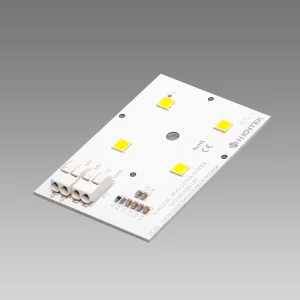 HUO Series Outdoor LED Modules
216lm/W High-Efficacy Outdoor Modules 2×2 LUMILEDS LED
-
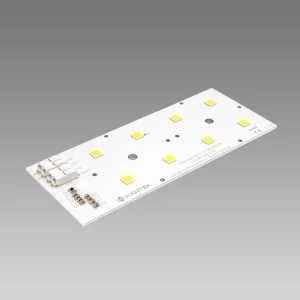 HUO Series Outdoor LED Modules
216lm/W High-Efficacy Outdoor Modules 2×4 LUMILEDS LED
-
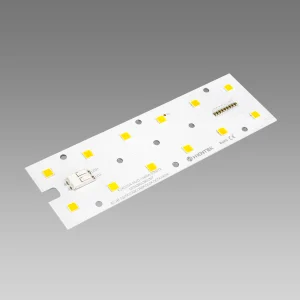 HUO Series Outdoor LED Modules
220lm/W High-Efficacy Outdoor Modules146mm 2×6 LUMILEDS LED
-
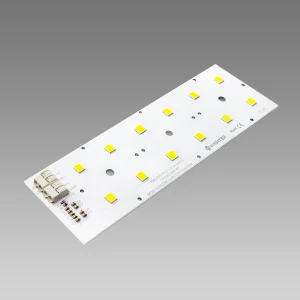 HUO Series Outdoor LED Modules
220lm/W High-Efficacy Outdoor Modules172mm 2×6 LUMILEDS LED
-
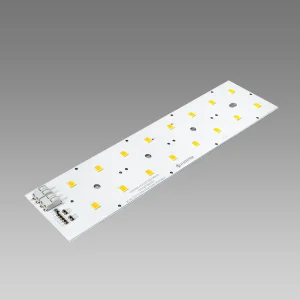 HUO Series Outdoor LED Modules
218lm/W High-Efficacy Outdoor Modules 2×8 LUMILEDS LED
-
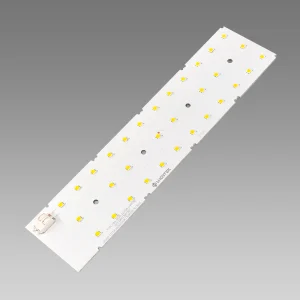 HUO Series Outdoor LED Modules
210lm/W High-Efficacy Outdoor Modules 4×8 LUMILEDS LED
-
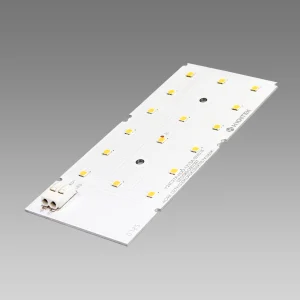 HUO Series Outdoor LED Modules
209lm/W High-Efficacy Outdoor Modules 2×8 LUMILEDS LED
-
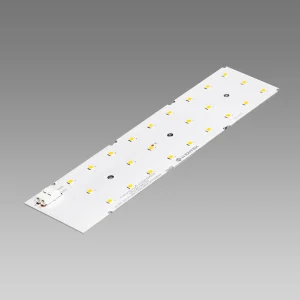 HUO Series Outdoor LED Modules
209lm/W High-Efficacy Outdoor Modules 3×8 LUMILEDS LED
Engineering Outdoor LED Modules for Extreme Reliability and Long-Term Performance.
Outdoor LED modules must maintain stable brightness, electrical safety, and structural durability under rain, UV exposure, dust, temperature fluctuations, and long operating hours. At Higntek, we combine advanced thermal engineering, waterproof structural design, precision manufacturing, and strict reliability testing to develop high efficiency outdoor LED modules built for demanding real-world environments and long-term commercial operation.
Waterproof and structural protection engineering.
We employ reinforced waterproof structures, UV-resistant lens materials, protective encapsulation technology, and corrosion-resistant and weather-resistant materials to ensure stable operation of lighting modules in complex outdoor environments such as rain, humidity, dust, and pollution. Optimized structural sealing and waterproof integration achieve IP67/68 protection rating without compromising heat dissipation efficiency.
Advanced thermal engineering
High-power outdoor LED systems generate continuous heat; improper heat dissipation can lead to luminous flux attenuation and shortened lifespan. Our engineering team reduces thermal resistance by optimizing aluminum and copper-based PCB structures, high thermal conductivity materials, and system-planned LED spacing and heat sink structure, thereby maintaining stable operating temperatures during prolonged outdoor use.
Power stability and energy efficiency.
Our high-power outdoor LED modules employ an optimized constant current circuit design with surge protection. Special low-voltage modules utilize a combination of an external constant voltage power supply and a built-in constant current IC control to avoid voltage drops over long distances and achieve dimming effects. Appropriate LED models (5050/3535/3030, etc.) are selected based on power and cost to achieve safe, stable, and high energy conversion efficiency, reducing energy consumption and operational stress.
Precision manufacturing and reliability testing.
Each outdoor LED lighting module undergoes standardized production processes and multi-stage quality verification, including AOI inspection, waterproofing verification, thermal testing, aging testing, and electrical performance verification. Combined with automated SMT production and a traceable manufacturing system, consistent quality from prototype to mass production is ensured.
Key Evaluation Standards for Selecting a Professional Outdoor LED Module Manufacturing Partner.
| Capability Item | Higntek Engineering Capability |
|---|---|
| Maximum Luminous Efficiency | Up to 175–265 lm/W |
| IP Protection Rating | IP65 / IP66 / IP67 / IP68 available |
| Operating Temperature Range | -40°C to +85°C stable operation |
| Thermal Resistance Optimization | Reduced by 20–35% via optimized PCB structure |
| PCB Base Material Options | FR4 / Aluminum Core / Copper Core |
| PCB Thermal Conductivity | Up to 3.0 W/m·K |
| UV Resistance Lifespan | 5–8 years outdoor exposure resistance |
| LED Chips | 5050/3535/3030/2835. |
| Surge Protection Compatibility | 2kV / 4kV / 6kV optional |
| Electrical Conversion Efficiency | Up to 92–96% |
| LED Color Consistency | ≤ 3-step SDCM |
| Color Temperature Range | 2200K–6500K customizable |
| CRI Capability | CRI 70 / 80 / 90 / 95+ available |
| Waterproof Connector Options | IP67 integrated waterproof connectors |
| Lens Material | UV-resistant optical-grade PC lens |
| Lumen Maintenance | ≥95% after 6,000 hours |
| Expected Operational Lifespan | 50,000–100,000 hours |
| Aging Test Duration | 24h / 48h / 72h aging tests |
| Salt Spray Resistance | Up to 500–1000 hours |
| Relative Humidity Resistance | 10%–95% RH operating environments |
| SMT Placement Accuracy | ±0.05 mm precision |
| Automated Inspection Systems | AOI / SPI / X-Ray inspection |
| Dimming Compatibility | PWM / 0-10V / DALI optional |
| Custom Voltage Support | DC12V / 24V / 36V / AC solutions |
| Production Capacity | High-volume scalable manufacturing |
| Custom Engineering Support | PCB layout / optical / thermal optimization |
| Compliance Standards | CE / RoHS / UL compliant |
| Traceability System | Full batch and material traceability |
| Compatibility | Zhaga standard/custom |
| Application Suitability | Signage / architectural / industrial / outdoor lighting |
.webp)
.webp)



Engineered Outdoor LED Modules for Professional Lighting Applications
Our high efficiency outdoor LED modules are designed for demanding architectural, landscape, roadway, and sports lighting projects that require stable brightness, weather resistance, and long-term operational reliability.
Landscape & Park Lighting
Landscape & Park Lighting
Roadway & Pathway Lighting
Roadway & Pathway Lighting
Sports Field Flood Lighting
Sports Field Flood Lighting
Architectural Facade Lighting
Architectural Facade Lighting
One-stop professional engineering-customized LED module supplier. Reduce the risk of development failures and get to market faster.
Comprehensive One-Stop Service
From requirement concept, light source selection, solution design, sample production, component procurement/PCB manufacturing, LED PCBA packaging, soldering, functional testing, LED module assembly to delivery, we provide complete prototyping and mass production services. Shorten development time and ensure stable and rapid delivery.

Advanced Manufacturing Equipment
We have an advanced fully automated production line equipped with 25 Samsung SMT placement machines, and possess in-house AOI, X-ray inspection, and testing capabilities. From production and assembly to testing, we ensure high-precision, consistent, and reliable LED module manufacturing for demanding lighting applications.
Traceable Quality Control System
From raw materials to final testing, every process is traceable. Production processes are certified to ISO 9001 and ISO 13485 quality management systems, ensuring consistent performance and complete quality traceability. A 5+95 prototype service validates designs and materials before mass production, reducing risk.
Stable & Scalable Supply Chain
We collaborate with thousands of suppliers worldwide, including renowned LED brands, optical lenses, and drivers. Leveraging our established component sourcing network, we offer complete BOMs, replacement component recommendations, and bill of materials cost optimization solutions. Ensure stable materials, high cost-effectiveness, and timely delivery for both prototyping and mass production of LED modules.
Experienced Engineering Team
HIGNTEK assigns a dedicated account manager to each client. Each project is supported by a team of experienced engineers and technical experts. We provide systematic engineering solutions in areas such as thermal management, optical design, and PCB layout to help customers optimize performance and manufacture high-performance LED modules suitable for specific applications.
Meets global standards
We incorporate international certifications (CE, RoHS, and UL, etc.) and our clients’ local standards from the design stage, making compliance a core aspect of product development. This ensures that the quality and manufacturing technology of our LED modules meet international market safety and reliability standards, helping customers successfully complete product certification and enter the application market.
How to Choose High Efficiency Outdoor LED Modules?
I often see comments on Electro-Tech-Onlin saying things like, “The lighting performance was excellent during factory testing, but after installation, the module’s brightness rapidly decreased, the color shifted, or water ingress occurred after a rainy season.” In most cases, the problem isn’t with the LED chip itself, but rather with the thermal design, driver compatibility, sealing structure, or simply choosing a module specification unsuitable for the application.
Choosing the right module involves more than just comparing datasheets; it requires considering multiple dimensions, including the application scenario, core light performance indicators (brightness/color temperature/beam angle), driver, standard certification compliance, protection performance, and balancing initial cost with long-term value.
- Real-world application environment: Before discussing technical parameters, I recommend identifying four practical aspects: installation height, visibility distance, daily lighting duration, and environmental stress. Outdoor lighting environments vary greatly. Coastal areas face salt corrosion issues. Tropical climates cause persistent humidity and heat buildup. Urban commercial projects typically prioritize brightness and visual appeal, while municipal lighting projects prioritize energy efficiency and long-term maintenance costs.
- Brightness: Outdoor LED modules generally require higher brightness than indoor systems because they must remain visible in direct sunlight. Some outdoor LED systems boast brightness levels exceeding 5000-8000 nits. The high brightness of high-power outdoor LED modules triggers a chain reaction of high efficiency and high heat generation, placing greater stress on drivers and PCB materials. Poor heat dissipation accelerates luminous flux decay and affects illumination stability. Therefore, strict heat dissipation requirements need to be systematically considered from the initial engineering development stage.
- Color temperature and beam angle: Color temperature affects people’s perception of outdoor spaces. Extremely cool white LEDs can improve the brightness of street lighting, while LED modules with specific color temperatures can enhance comfort in pedestrian areas or hotels and reduce glare. The beam angle determines whether light effectively illuminates the target area or produces wasted spill light, which is particularly important in outdoor landscape lighting.
- Driver matching: Voltage fluctuations, unstable power factor, insufficient surge protection, and unstable current output all significantly shorten the lifespan of outdoor LED lighting modules. In lighting scenarios with integrated current-limiting resistors, constant voltage drivers are generally chosen to maintain a fixed voltage output (such as the conventional 12V or 24V), with the current automatically varying according to the load.
High-power floodlights and streetlights typically use constant current drives. The output current is fixed (e.g., 350mA, 700mA), and the voltage automatically adjusts within a certain range, maximizing LED protection. - Certification Compliance: Depending on market conditions, buyers should evaluate CE/UL/RoHS/IK shock resistance/IP protection ratings for outdoor LED modules. Certifications do not guarantee perfect quality, but they usually indicate whether the supplier has considered long-term compliance in the product design.
- Cost Value: Low-cost LED lighting modules may reduce initial procurement pressure, but once the fixtures are installed at heights or in large infrastructure projects, future maintenance costs become extremely high. Therefore, experienced project procurement personnel are increasingly focusing on the value throughout the entire lifecycle, not just the initial unit price.
| Quick Engineering Checklist for Choosing Outdoor LED Modules | |
|---|---|
| Selection Factor | What Experienced Buyers Usually Check |
| Application Scenario | Road lighting, signage, façade, landscape, sports, industrial |
| Brightness Stability | Long-term lumen maintenance instead of peak output |
| Thermal Design | PCB material, copper thickness, heat sink efficiency |
| Driver Reliability | Surge protection, current stability, waterproofing |
| Protection Level | IP rating, UV resistance, corrosion resistance |
| Optical Design | Beam angle, glare control, light uniformity |
| Certifications | CE, UL, RoHS, LM-80, TM-21 |
| Lifecycle Cost | Maintenance frequency and replacement difficulty |
At Higntek, we design and develop high-efficiency outdoor LED modules from the perspective of long-term engineering reliability, not just initial brightness specifications. In outdoor projects, the real challenges begin after installation—high temperatures, humidity, voltage fluctuations, and environmental stresses test the lighting fixtures daily.
What are the Differences Between Outdoor LED Modules and Standard LED Modules?
- Brightness Performance: Indoor or standard LED modules typically operate in controlled lighting environments. Outdoor modules, on the other hand, must maintain visibility under direct sunlight, reflections, rain, fog, and changing weather conditions. Therefore, outdoor LED systems generally require higher brightness output. Some outdoor display and lighting systems exceed 5,000-8,000 nits to ensure visibility during daytime operation.
- Weather Resistance: Outdoor LED modules need to withstand complex external conditions such as rain, humidity, UV exposure, dust, salt air, and vibration. Outdoor modules typically require higher IP protection ratings, such as IP65 or IP67, to prevent dust and water intrusion.
- Energy Consumption: Outdoor LED lighting modules typically operate at higher power, resulting in higher energy consumption than standard LED modules. Therefore, we have always insisted on optimizing the luminous efficiency of outdoor LED modules from all aspects, including LED selection, electrical design, and optical control. Even small improvements can achieve significant energy savings across hundreds or thousands of luminaires, helping customers reduce energy consumption while ensuring the stability of outdoor LED modules.
- Thermal Management: Heat has always been one of the biggest enemies affecting the lifespan and efficiency of LED modules. Our years of engineering research and on-site discussions have consistently shown that high junction temperatures accelerate luminous flux decay, color shift, and driver failure. This is especially critical for outdoor LED modules that rely on high-brightness lighting and operate in high-temperature environments.
| Outdoor LED Modules vs Standard LED Modules | ||
|---|---|---|
| Factor | Outdoor LED Modules | Standard LED Modules |
| Brightness Requirement | Very high for sunlight visibility | Moderate |
| Waterproof Protection | IP65/IP67 commonly required | Usually minimal |
| Thermal Design | Heavy-duty heat dissipation | Basic thermal management |
| UV Resistance | Required | Often unnecessary |
| Corrosion Protection | Important in outdoor regions | Limited |
| Driver Protection | Surge and weather protection needed | Standard protection |
| Maintenance Expectation | Long lifecycle priority | Easier replacement environment |
| Operating Environment | Heat, rain, dust, voltage fluctuation | Stable indoor conditions |
How to Prevent Lumen Degradation in Outdoor LED Lighting Applications?
In outdoor LED lighting projects, luminous flux decay often causes problems long before the entire lighting system fails completely. In the early stages of a project, the lighting typically appears bright, uniform, and visually appealing. However, after prolonged exposure to high temperatures, humidity, dust, UV radiation, and extended operation, many outdoor LED systems gradually lose brightness. In some projects, this decrease in brightness can become noticeable within just one or two years, affecting lighting visibility.
- Thermal Management: Thermal management is the first line of defense against luminous flux decay. When LED junction temperatures remain excessively high for extended periods, the phosphor layer, encapsulation materials, and semiconductor structure age faster, leading to a gradual decrease in light output over time. Therefore, we implement comprehensive thermal management control from the initial design stages, considering PCB, materials, electrical systems, and structure.
- LED Chips: LED selection for outdoor lighting modules should not solely focus on lumen output; a comprehensive evaluation is needed, considering lumen continuity curves, chromaticity stability, and high-temperature performance. Components with slightly lower initial brightness but stronger lumen stability typically offer greater practical value over five years.
- Driver Compatibility: Some irresponsible suppliers drastically increase drive current to achieve higher lumen output specifications. While this method can improve the brightness shown in the datasheet, it also accelerates lumen decay and reduces lifespan. We consistently maintain that the LED’s operating current is slightly below the rated current, rather than sacrificing stability for a brief peak brightness.
- Optical Materials: Even if the LED chip itself remains stable, optical performance degradation will still reduce visible light lumen output. In strong ultraviolet radiation, humid conditions, and complex outdoor environments, LED modules require UV-resistant lenses, weather-resistant encapsulation, or stable silicone materials to prevent yellowing or cracking.
- Protection Performance: Moisture and condensation slowly damage solder joints, reflective surfaces, and optical materials. Over time, these problems reduce optical efficiency and accelerate luminous flux decay, and in severe cases, can cause electrical failures. Therefore, IP protection ratings, anti-corrosion coating quality, and connector waterproofing must be evaluated during the production of outdoor lighting modules.
| Key Factors That Help Prevent Outdoor LED Lumen Degradation | |
|---|---|
| Engineering Factor | Impact on Lumen Maintenance |
| Thermal Management | Reduces junction temperature stress |
| High-Quality LED Chips | Improves long-term brightness stability |
| Drive Current Optimization | Prevents overdriving damage |
| UV-Resistant Optical Materials | Reduces yellowing and optical aging |
| Waterproof Protection | Prevents moisture-related degradation |
| Proper Fixture Airflow | Limits internal heat accumulation |
| Corrosion Resistance | Protects reflective and conductive surfaces |
From our perspective at Higntek, preventing lumen degradation is not about maximizing brightness on the first day of operation. The real engineering challenge is maintaining stable optical performance after years of exposure to heat, humidity, UV radiation, and continuous operating stress.
In many outdoor projects we’ve reviewed, the biggest failures did not happen suddenly. The lighting simply became dimmer month after month until the system no longer met visibility or commercial requirements.
That is why we approach outdoor LED module design with long-term lumen stability in mind from the beginning — starting from thermal structure and electrical optimization all the way to optical material selection and environmental protection.
How Thermal Management Affects Outdoor LED Module Lifespan?
- PCB Materials: In outdoor LED modules, the PCB plays a role far beyond providing electrical connections. It is also the primary heat transfer path between the LED package and its surrounding environment. For high-efficiency outdoor LED modules, standard FR4 circuit boards are often inadequate under high power density conditions. Therefore, many outdoor lighting systems have switched to aluminum-core MCPCBs (metal-core PCBs) or copper-based PCB structures. The metal-core substrate helps transfer heat from the LED junction to the surrounding structure more quickly. In practical outdoor applications, this improves temperature stability and reduces hotspot concentration.
- Heat Dissipation Structure: Outdoor LED modules require a complete heat dissipation structure to continuously dissipate heat during operation. Otherwise, heat will remain trapped inside the luminaire housing. This is especially important in enclosed streetlights, compact floodlights, and solar-integrated outdoor lighting fixtures. During the development and design of outdoor LED modules, we pay close attention to the heat diffusion surface area, airflow channels, the flatness of the contact surface between the PCB and the housing, and the thermal interface materials. We also provide guidance on the ventilation design of the outer shell structure when required by the customer.
- Thermal Conductivity: Thermal conductivity not only affects the heat dissipation rate but also the entire reliability cycle of the outdoor LED module. Higher thermal conductivity helps stabilize lumen output, reduce color shift, improve driver reliability, and extend module lifespan. Achieving good thermal conductivity requires comprehensive adaptation of PCB design, thermal interface materials, solder, insulation layers, and adhesives.
- Optimizing Driver Circuitry: Thermal management is not just a mechanical hardware issue; electrical design also significantly impacts heat generation. While aggressive drive current schemes may deliver impressive initial brightness, they also generate more heat within the LED junction and driver system. For outdoor LED modules, a balance must be struck between stable current, power efficiency, thermal load, and driver adaptation. From a lifecycle perspective, stable thermal performance is generally more valuable than extreme short-term brightness specifications.
- Thermal Vias: Thermal vias are small conductive holes inside the PCB that help dissipate heat from high-temperature areas. While they may seem like a minor detail on a PCB, they play a crucial role in high-density or high-power outdoor LED modules. Thermal vias help transfer heat from the LED mounting surface to the underlying heatsink or external heatsink, reducing localized hotspots and improving the overall temperature distribution of the module.
- Additional heat sinks: For ultra-high power outdoor lighting applications (stadiums, floodlights, industrial outdoor lighting), passive PCB cooling at the engineering design level may not be sufficient. Additional heat sinks help increase the surface area for heat dissipation and improve sustained heat dissipation over long operating cycles. However, do not simply increase the size of the heat sink to improve heat dissipation performance; I have seen cases where poorly designed heat sinks led to increased luminaire weight and installation complexity.
| Thermal Factor | Why It Matters |
|---|---|
| Aluminum MCPCB | Improves heat transfer efficiency |
| Thermal Conductivity | Reduces hotspot accumulation |
| Heat Sink Structure | Stabilizes long-term operating temperature |
| Driver Optimization | Reduces unnecessary thermal stress |
| Thermal Vias | Improve internal heat flow |
| Airflow Design | Prevents heat trapping inside fixtures |
| Additional Heat Sinks | Support high-power outdoor applications |
What IP rating do your outdoor LED modules support?
Our outdoor LED modules support IP65, IP66, IP67, and IP68 protection levels depending on the application structure and sealing design. We design these modules to handle rain, dust, humidity, and long outdoor exposure reliably.
How to Ensure the Long-Term Reliability of Outdoor LED Modules?
We focus heavily on thermal management, UV-resistant materials, and real environmental testing during development. In outdoor projects, heat and moisture usually damage modules faster than LED chips themselves. That’s why we optimize PCB heat dissipation, aging tests, waterproof structures, and long-hour reliability verification to reduce lumen decay and extend service life in demanding environments.
Can you customize outdoor LED modules for specific projects?
Yes. We provide custom outdoor LED module solutions based on real project requirements rather than only standard catalog products. Our engineering team can support customized LED PCB layouts, voltage options, waterproof structures, optical beam distribution, connector solutions, and complete assembly services. This helps customers balance performance, installation efficiency, and long-term reliability more effectively.
What is the typical lifespan of your outdoor LED modules?
Under proper operating conditions, our outdoor LED modules are designed to achieve over 50,000 hours of stable performance. In real applications, lifespan depends heavily on heat control, driver quality, installation conditions, and operating environment.
Are your outdoor LED modules suitable for extreme temperatures?
Yes. Our outdoor LED modules can operate in temperatures ranging from -40°C to 85°C depending on the application and system design. We carefully evaluate thermal expansion, material stability, and heat dissipation during development because outdoor environments often experience continuous temperature cycling, direct sunlight exposure, and harsh weather conditions.
Do you support OEM and ODM manufacturing services?
Yes. Higntek provides end-to-end OEM and ODM manufacturing services for outdoor LED modules. We support engineering design, LED PCB assembly, optical layout optimization, testing, and scalable mass production. Many customers come to us not only for manufacturing capacity, but also for practical engineering support during product development and project integration.
What certifications do your outdoor LED modules meet?
Depending on project requirements and target markets, our outdoor LED modules can comply with CE, RoHS, UL, and other international standards.
How can I work on a project with Hignetek?
You can send us your design files or requirements. Our engineering team will provide technical assessment, communication guidance, and a quotation. Once cooperation is confirmed, we will arrange for component procurement, manufacturing, inspection and testing, packaging, and shipping.
Do you accept small-batch orders or only large-scale production?
We support prototyping and small-batch orders to facilitate low-cost testing for our customers. We also support large-scale production and maintain consistent quality control.
How quickly can I get samples or quotations?
We usually provide quotations within 24 hours after receiving project details. Sample or prototype lead time depends on customization complexity, material availability, and testing requirements. For faster evaluation, I always suggest sharing application drawings, target dimensions, or lighting requirements early so we can recommend the right module faster.
How do you control product quality during production?
We apply a traceable quality control process across material inspection, SMT production, AOI/X-ray inspection, functional testing, aging tests, waterproof verification, and final performance testing. In our experience, consistent production control matters more than isolated sample performance. That’s why we focus on process stability, thermal consistency, and long-term reliability validation throughout mass production.
What is your typical lead time for prototype and mass production?
Prototypes are typically delivered within 5-7 days. The mass production cycle for standard LED modules is approximately 10-15 days. Specific lead times will vary depending on quantity, specifications, and degree of customization. We typically assess technical parameters and inventory status comprehensively to recommend suitable solutions for our clients.
Other high-efficiency LED module series
We‘d Like to Hear From You
Looking for a reliable Outdoor LED Modules manufacturer with advanced optical engineering and scalable production capabilities? Higntek supports custom development from concept validation to mass production.
